We all have those days when negative thoughts creep in, making us feel overwhelmed, anxious, or stuck in a loop of doubt. It’s easy to let these feelings take control, but I’ve found that shifting my focus can make all the difference. Instead of getting lost in negativity, I remind myself of what I have in my life right now—my loved ones, my friends, and the support system that surrounds me. It’s not always easy, but taking a moment to acknowledge their presence brings comfort and reassurance.
One of the biggest ways I manage my thoughts is by writing them down. When emotions feel heavy, putting them on paper helps me release them from my mind. It’s like lifting a weight off my shoulders. My journal has become a safe space where I can be honest with myself, process what I’m feeling, and see my emotions from a different perspective. Sometimes, just the act of writing makes me realize that things aren’t as bad as they first seemed.
Another thing that helps me is movement. Whether it’s a short walk or stepping onto the treadmill, getting my body moving clears my head. It’s almost as if each step helps shake off the negativity, allowing me to focus on the present moment rather than the worries swirling in my mind. Walking gives me a sense of control over my emotions, reminding me that I can take small actions to feel better.
At the end of the day, negative thoughts are a part of life, but they don’t have to define our days. By focusing on what we have, leaning on those who support us, writing down our feelings, and moving our bodies, we can find ways to bring ourselves back to a place of balance. And sometimes, it’s in these little moments that we find the strength we didn’t know we had.
Daily writing prompt
What strategies do you use to cope with negative feelings?
There’s something about routine that can be both comforting and mind-numbing at the same time. My job? It’s fine. The people? They’re lovely. But the day-to-day? It’s like I’m living the same day over and over again, and sometimes, it’s just… boring.
I wake up, get ready, head to work, and go through the motions. The tasks never change, the conversations rarely differ, and before I know it, I’m doing it all again the next day. It’s like a weird, never-ending loop, a sense of déjà vu that lingers with each passing morning.
What really drains me, though, isn’t the repetition itself—it’s when conversations become one-sided. You know the type. The people who love the sound of their own voice, talking endlessly about themselves, their problems, their achievements, their plans. It’s exhausting. A conversation should be a two-way street, a shared exchange of thoughts, not just an audience for someone’s personal monologue.
That’s why I thrive around creative people. People who can see the world a little differently, who bring a spark of originality to even the most mundane days. I love being around those who have a sense of humour, who don’t take life (or themselves) too seriously. Laughter is the best antidote to monotony. The ability to laugh at yourself, to find joy in the little things, to be imaginative and spontaneous—those are the people who make life interesting.
Maybe that’s what I need more of—creativity, spontaneity, and laughter. Perhaps it’s time to shake things up a bit, step outside the routine, and seek out those moments that make life feel exciting again. Because while stability is nice, a little unpredictability might just be the cure for the boredom of everyday life.
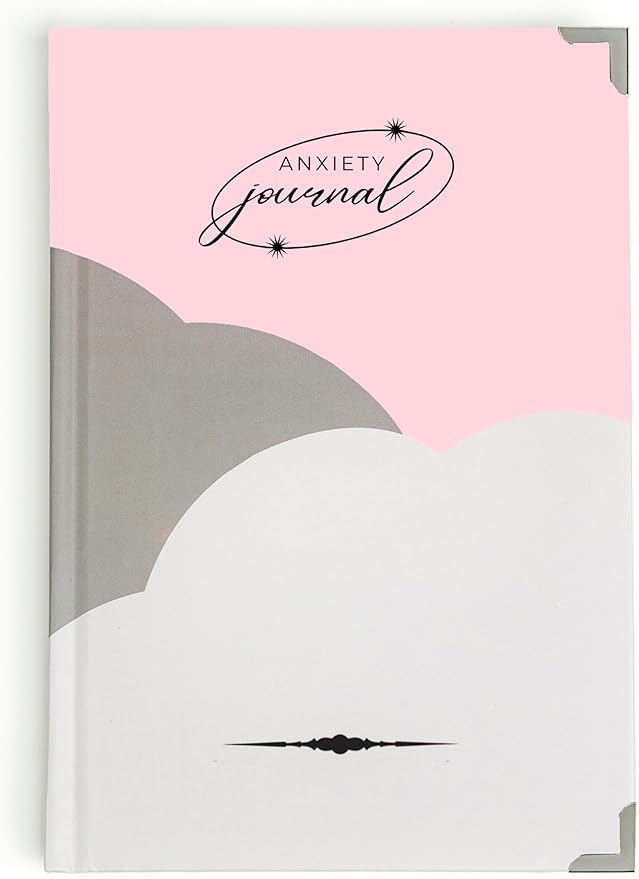
Journaling has always been something I’ve wanted to be consistent with, and recently, I’ve found a deeper purpose for it. I’ve started a new journal dedicated to tracking how I feel each day—whether it’s anxiety, stress, or any other emotion I’m experiencing. It’s become a way to unload my thoughts, reflect on patterns, and better understand my mental well-being.
I previously bought a book on journaling, but this one is specifically designed for recording my emotions each day. Some days, it’s just a few words, while others, it’s a long entry detailing my thoughts. It’s a small but powerful habit that helps me process what’s on my mind rather than keeping everything bottled up.
In addition to my daily feelings journal, I also keep another journal for my epilepsy. This one is more structured—I track how many shakes or jerks I experience, any absences, and any other notable symptoms. Since I sometimes forget what happened on a particular day, having it written down is invaluable. It allows me to see trends over time and makes it easier to communicate with doctors about my condition.
What I love most about journaling is that it gives me a sense of control. Anxiety and stress can feel overwhelming, but when I put them on paper, they seem a little less daunting. Seeing my thoughts in front of me helps me process them in a way that feels more manageable.
If you’ve ever struggled with anxiety, stress, or even health concerns, I highly recommend keeping a journal. It doesn’t have to be perfect—just honest. Some days, it may be a sentence; other days, a whole page. The most important thing is that it serves as an outlet, a place to be real with yourself.
Have you ever tried journaling? If so, how has it helped you? Let’s start a conversation—I’d love to hear your thoughts!
Embracing Happiness, Health, and Self-Care: A Journey to a Better You
In today’s fast-paced world, it’s easy to get caught up in the whirlwind of responsibilities, deadlines, and the constant hum of technology. Amidst all this, it’s vital to pause, reflect, and realign with what truly matters – your happiness, health, and well-being. My mission is simple yet transformative: to be happier, healthier, take more breaks, and look after myself more. Here’s how I’m embarking on this journey and how you can too.
1. Prioritizing Happiness
Happiness isn’t a destination; it’s a journey. It’s about finding joy in the little things and nurturing a mindset that seeks positivity. For me, this means:
Gratitude Practice: Every morning, I list three things I’m grateful for. It’s a small habit that shifts my focus from what’s lacking to what’s abundant in my life.
Mindful Living: I’m learning to savor the present moment, whether it’s enjoying a cup of tea or taking a walk in nature. Mindfulness helps me stay grounded and find joy in simplicity.
2. Embracing Health
Health is wealth, and I’m committed to nurturing my body with the care it deserves. This involves:
Balanced Nutrition: I’m focusing on eating more whole foods, fruits, and vegetables, while being mindful of my body’s needs. It’s not about restriction but about nourishment.
Regular Exercise: Movement is medicine. Whether it’s yoga, a brisk walk, or a dance session, I’m making sure to move my body daily to boost my energy and mood.
Rest and Recovery: Sleep is non-negotiable. I’m prioritizing 7-8 hours of quality sleep each night, understanding that rest is crucial for my overall well-being.
3. Taking Breaks
In a world that glorifies busyness, taking breaks can feel indulgent, but it’s essential for sustained productivity and mental clarity. I’m committed to:
Regular Downtime: Scheduling short breaks during the workday to stretch, breathe, or simply step away from the screen. These moments recharge my mind and prevent burnout.
Weekend Getaways: Whenever possible, I plan short trips or staycations to disconnect and reconnect with myself and loved ones. Nature, in particular, has a rejuvenating effect on my spirit.
4. Looking After Myself
Self-care is not selfish; it’s necessary. I’m making a conscious effort to:
Set Boundaries: Learning to say no to things that don’t serve my well-being, and yes to things that bring me joy and peace.
Pamper Myself: Whether it’s a spa day, reading a book, or indulging in a hobby, I’m dedicating time to activities that make me feel cared for and loved.
Mental Health Check-ins: Regularly assessing my mental health and seeking support when needed, be it through therapy, talking to friends, or practicing meditation.
Conclusion
This mission of being happier, healthier, and more self-compassionate is not a one-time goal but a continuous journey. It’s about making small, sustainable changes that enrich my life and bring me closer to a state of balance and joy. As I embark on this path, I invite you to join me. Let’s commit to caring for ourselves as we would for a dear friend, and together, let’s create a life that feels as good on the inside as it looks on the outside.
As someone who cherishes the simple yet profound act of journaling, I can confidently say that there are few things more satisfying than filling up a journal with thoughts, feelings, and reflections. Writing in my journal has become a cherished routine, a safe space where I can release all my emotions and stress, no matter what the day brings. It’s a ritual that helps me process my experiences, gain clarity, and find peace. However, I’ve recently reached the end of my current journal, and the time has come to choose a new one.
Discovering the Perfect Journal
In my quest for a new journal, I stumbled upon something that instantly caught my eye: a self-care journal with a gorgeous pink cover. The color is vibrant and bright, exuding a sense of warmth and positivity. Pink, a lovely and uplifting hue, feels like the perfect choice for a journal dedicated to self-care and personal growth. Colors have a remarkable ability to influence our moods, and this particular shade of pink radiates calmness and happiness, qualities that align perfectly with the purpose of my journaling.
The Power of Color and Mood
Colors play an essential role in our lives, often reflecting and even shaping our moods. The bright and cheerful pink of my new journal brings a sense of joy and optimism. It’s fascinating how something as simple as color can evoke such strong emotional responses. When I look at this journal, I feel a wave of positivity wash over me, setting the tone for a productive and reflective journaling session.
In addition to color, other sensory experiences like smell and weather can also influence our mood and creativity. For instance, the comforting scent of a favorite candle or the refreshing aroma of freshly brewed coffee can create a soothing atmosphere for writing. Similarly, a sunny day can lift our spirits, making us feel more motivated and inspired, while a rainy day might encourage deeper introspection and contemplation.
The Importance of Self-Care
Choosing a self-care journal feels like a natural extension of my journaling practice. Self-care is about taking the time to nurture our physical, mental, and emotional well-being. It’s about recognizing our needs and making a conscious effort to meet them. By dedicating my journal to self-care, I’m committing to a journey of self-discovery, self-love, and personal growth.
This new journal will be a place where I can explore various aspects of self-care, from setting goals and tracking progress to reflecting on my daily experiences and practicing gratitude. It will serve as a reminder to prioritize my well-being, to be kind to myself, and to celebrate my achievements, no matter how small.
A Fresh Start
As I open the first page of my new pink self-care journal, I feel a sense of excitement and anticipation. It’s a blank canvas, ready to be filled with my thoughts, dreams, and reflections. The act of starting a new journal is a symbolic fresh start, an opportunity to set new intentions and embrace new beginnings.
I look forward to the journey ahead, knowing that this journal will be my trusted companion in my ongoing pursuit of self-care and personal growth. With its bright and pretty cover, it promises to be a source of inspiration and positivity, encouraging me to continue exploring and nurturing my inner world.
So, here’s to new beginnings, to the power of color, and to the endless possibilities that lie within the pages of a fresh journal. May it be a space where I can continue to release my feelings, find clarity, and cultivate a deeper sense of well-being.
Fuel my creativity
It keep my blog brewing! Your contribution towards a coffee would be greatly appreciated. ☕✨”
Mornings. They mark the beginning of a new day, a fresh start filled with possibilities. For some, mornings are a rush of activity, a frantic race against the clock. For me, they are a time of slow, deliberate actions, a series of simple rituals that set the tone for the day ahead. My morning routine might not be the most exciting, but it’s mine, and it brings a sense of calm and order to my life. As I have epilepsy I have to take my time getting up in the morning.
A Slow Start
I believe in starting the day slowly. There’s something comforting about waking up gradually, allowing my body and mind to transition smoothly from the realm of dreams to the reality of a new day. There’s no harsh alarm jolting me awake; instead, I let the morning light and the natural sounds of the day gently rouse me. This slow start helps me to ease into the day, feeling more relaxed and centered.
Breakfast and TV Time
Once I’m up, the first thing on my agenda is breakfast. I like to keep it simple, often opting for a bowl of cereal or some toast with a hot cup of tea, But breakfast isn’t just about the food; it’s also about the company. As I eat, I turn on the TV, catching up on the latest news or indulging in a light-hearted morning show. There’s something very comforting about this routine – it’s a moment of quiet enjoyment before the busyness of the day sets in.
Quality Time with My Dog
No morning would be complete without spending some quality time with my dog. She loves the attention, and I love giving it to her. We have our little ritual: as I finish my breakfast, she knows it’s her time. I make a fuss over her, giving her pets and scratches while she revels in the affection. It’s a simple joy, but one that brings a lot of happiness to both of us. Her wagging tail and happy demeanor are infectious, setting a positive tone for the day ahead.
Tidying Up
After breakfast, it’s time to clean up the kitchen. This might not sound like the most thrilling part of my day, but there’s a certain satisfaction in tidying up. I find that starting the day with a clean and organized space helps me feel more productive and focused. It’s a small task, but it makes a big difference in how I approach the rest of my day.
Starting Work
By around 8:00 AM, I’m ready to start work. My job might not be the most exciting thing in the world, but it’s part of my routine, and it gives structure to my day. I like to dive in early, tackling my tasks with a fresh mind and a sense of purpose. The quiet morning hours are often my most productive, allowing me to get a good start on the day’s work.
Embracing the Ordinary
While my morning routine might not be filled with thrilling activities or high-energy tasks, it’s these simple habits that bring a sense of stability and joy to my life. There’s beauty in the ordinary, in the small moments of peace and contentment that make up our days. My mornings are a time of calm before the day’s demands take over, a chance to enjoy the simple pleasures of life.
In a world that often glorifies busyness and excitement, I’ve found that there’s great value in embracing a slower, more deliberate pace. My morning routine might be simple, but it’s mine, and it’s a cherished part of my day. So here’s to the joy of simple routines, and to finding happiness in the everyday moments that make life special.
As we navigate the complexities of life, the importance of spirituality and self-awareness becomes increasingly evident. Spirituality is a pathway to finding inner peace and calm, especially in the face of challenges. One of the most effective tools I’ve discovered on this journey is the practice of breathing exercises. However, I wish I had known about these practices earlier in life, particularly during my teenage years when I was diagnosed with epilepsy at the age of 12.
A Journey of Self-Discovery
Looking back, my teenage years were marked by confusion, frustration, and a reluctance to accept my diagnosis. The onset of epilepsy brought about significant changes, and as a young teenager, I struggled to navigate this new reality. I was overwhelmed by the noise of external opinions and the internal turmoil of accepting my condition. I lacked the tools to find calm and center myself, which made it even harder to cope with the challenges that epilepsy presented.
The Power of Breath
It wasn’t until later in life that I discovered the transformative power of breathing exercises. These simple yet profound practices have become a cornerstone of my spiritual journey. Breathing exercises help to calm the mind, reduce stress, and bring a sense of clarity and focus. They have taught me how to block out the external noise and listen to my inner self.
Deep Breathing: One of the simplest techniques is deep breathing. Inhale deeply through your nose, allowing your abdomen to expand, then exhale slowly through your mouth. This practice helps to activate the parasympathetic nervous system, promoting relaxation and reducing anxiety.
Box Breathing: This technique involves inhaling for four counts, holding the breath for four counts, exhaling for four counts, and holding again for four counts. This rhythmic pattern can help calm the mind and enhance concentration.
Alternate Nostril Breathing: This involves inhaling through one nostril while closing the other with a finger, then switching nostrils for the exhale. This practice balances the nervous system and promotes a sense of calm.
Learning to Listen and Accept
In addition to breathing exercises, meditation has been instrumental in my journey. Meditation teaches us to sit with our thoughts, observe them without judgment, and cultivate a sense of inner peace. For someone diagnosed with epilepsy at a young age, learning to meditate and listen to oneself can be incredibly empowering.
Mindfulness Meditation: Focus on the present moment, observing your thoughts and sensations without judgment. This practice helps to quiet the mind and develop a deeper awareness of oneself.
Guided Meditation: Using audio guides can be helpful, especially for beginners. These guides can lead you through relaxation techniques and visualizations to help calm the mind.
Loving-Kindness Meditation: This practice involves focusing on cultivating feelings of compassion and love towards oneself and others. It can be particularly healing for those who have faced significant challenges.
Embracing the Learning Curve
The journey towards self-awareness and acceptance is a continuous learning curve. It’s about acknowledging that it’s okay to struggle and that growth comes from facing and overcoming challenges. As I reflect on my teenage years, I realize that while I didn’t have the tools then, the experiences have shaped who I am today. They have taught me resilience, patience, and the importance of self-care.
Moving Forward with Grace
Today, I am more equipped to handle the ups and downs of life. I have learned to relax, block out the noise, and find calm within myself. While the journey hasn’t been easy, it has been profoundly rewarding. I now understand the importance of spirituality and the power of breathing exercises and meditation in cultivating inner peace.
For anyone facing similar challenges, remember that it’s never too late to start this journey. Embrace the learning curve, be kind to yourself, and know that every step you take towards self-awareness is a step towards a more peaceful and fulfilling life.
In today’s fast-paced world, we are constantly bombarded with noise, opinions, and distractions. Everywhere we turn, there are people telling us what to do, how to think, and who to be. Amidst this cacophony, it’s easy to lose touch with our inner selves, to feel overwhelmed and uncentered. This is where spirituality steps in, offering a sanctuary of calm and a way to reconnect with our true essence.
The Essence of Spirituality
spirituality is about connection—connection to oneself, to others, and to something greater than oneself. It is about finding meaning and purpose, and it can be practiced in countless ways, from meditation and mindfulness to yoga.
The Importance of Being with Yourself
In a world that glorifies busyness and constant activity, taking time to be with yourself is a radical act. It is in these moments of solitude that we can hear our inner voice, the quiet whisper of our soul. This inner voice guides us, helps us make decisions aligned with our true self, and provides clarity amidst the noise of external opinions.
Being with yourself doesn’t necessarily mean being physically alone. It’s about cultivating an inner stillness and a sense of presence. This can be achieved through practices like meditation, where we focus on our breath and observe our thoughts without judgment. It can also be as simple as taking a walk in nature, journaling, or sitting in silence.
Finding Calm in the Chaos
Life is inherently chaotic, but how we respond to this chaos defines our experience. Spirituality offers tools to find calm and center ourselves, even when the world around us is in turmoil. Here are a few practices to help you stay grounded:
Meditation: Regular meditation practice helps quiet the mind and fosters a sense of inner peace. Even a few minutes a day can make a significant difference.
Mindfulness: Being present in the moment helps reduce stress and anxiety. Pay attention to your thoughts, feelings, and surroundings without getting caught up in them.
Gratitude: Practicing gratitude shifts your focus from what’s lacking to what you have. This simple practice can uplift your mood and foster a positive outlook.
Breathwork: Conscious breathing techniques can help calm the nervous system and bring you back to the present moment.
Nature: Spending time in nature has a grounding effect. It reminds us of the beauty and simplicity of life.
Listening to Yourself
In a world full of external noise, learning to listen to yourself is crucial. Your inner voice, intuition, or gut feeling is a powerful guide. It knows what is best for you, even when others might not. Trusting yourself requires practice and patience, but it is a skill that can be cultivated.
Create Space: Dedicate time each day to be alone and reflect. This could be in the form of meditation, journaling, or simply sitting in silence.
Ask Questions: When faced with decisions, ask yourself what feels right for you. Listen to your body’s response; it often knows the answer.
Practice Self-Compassion: Be kind to yourself. Acknowledge that it’s okay to make mistakes and that you are always learning and growing.
The Journey Inward
Embracing spirituality is a journey inward. It is about discovering who you are beyond the roles you play and the labels you carry. It’s about finding a sense of peace and purpose that is not dependent on external circumstances. This journey is deeply personal and unique to each individual.
In conclusion, spirituality is not about escaping the chaos of the world but about finding a calm center within yourself amidst it. It is about being with yourself, listening to your inner voice, and trusting that you have all the answers within you. By embracing spirituality, you can navigate life’s challenges with grace and find a sense of serenity that comes from being truly connected to your authentic self.
Hello, dear readers! As we navigate through the complexities of life, we often find ourselves chasing after the idea of having it all. Society constantly bombards us with messages about success, wealth, and material possessions, making us believe that these are the keys to happiness. But today, I want to take a moment to reflect on a different perspective – one that values the little things over the grandiose and finds joy in simplicity.
I don’t think you can have it all, and maybe that’s okay. Instead of striving for an elusive idea of perfection, we should cherish what we already have: friendship, love, family, and the simple moments of contentment. These are the treasures that truly enrich our lives.
Friendship: There’s nothing quite like the comfort of a true friend. Friends are the ones who stand by us through thick and thin, offering a listening ear, a shoulder to cry on, and laughter to brighten our darkest days. The value of a genuine friendship far outweighs any material possession.
Love: Whether it’s the love of a partner, a child, or a pet, love is the force that brings meaning to our existence. It’s in the small gestures – a hug, a kind word, a shared smile – that love truly shines. These moments of connection are the foundation of our happiness.
Family: Our families shape who we are and provide us with a sense of belonging. The joy of a family gathering, the comfort of knowing we have a support system, and the shared memories that bond us together are priceless. Family is our anchor, reminding us of our roots and giving us strength to grow.
Being Happy and Content: Happiness isn’t found in the accumulation of things; it’s found in appreciating the present moment. It’s the feeling of contentment when we pause to enjoy a quiet morning, a beautiful sunset, or a heartfelt conversation. When we focus on the present and find gratitude in the small things, we cultivate a deeper sense of fulfillment.
The little things – a cup of coffee with a friend, a walk in the park, a good book, or a hearty laugh – are what make life truly beautiful. These moments may seem insignificant, but they are the threads that weave the fabric of our lives.
In a world that often glorifies the pursuit of more, let’s remember to slow down and appreciate what we have. Friendship, love, family, and contentment – these are the true riches of life. By embracing the beauty of the little things, we can find joy in the present and live more meaningful, fulfilling lives.
Today, I’m taking a moment to open up and share a glimpse into my inner world. It’s one of those days where the weight of the world feels a little heavier, and the usual hustle and bustle of life seems to blur into a haze of uncertainty. You see, I’m feeling quite anxious today, and as I sit here typing these words, I can feel the familiar sensation of knots forming in my stomach.
I’m no stranger to anxiety; it’s a constant companion that often rears its head when I least expect it. Whether it’s the looming starting. New job, the pressures of juggling multiple responsibilities, or simply the ever-present worries that seem to linger in the back of my mind, anxiety has a way of making its presence known in the most inconvenient of moments.
And yet, despite the discomfort it brings, there’s a strange sense of comfort in knowing that I’m not alone in this struggle. Anxiety, it seems, is a universal language—one that transcends age, gender, and background. It’s a shared experience that binds us together in our moments of vulnerability, reminding us that we’re all navigating this journey called life one breath at a time.
So, dear readers, I’m reaching out to you today in the hopes of fostering a sense of connection and understanding. Do you ever find yourself grappling with anxiety, your stomach tied up in knots and your mind racing a mile a minute? If so, know that you’re not alone. We’re in this together, navigating the ebb and flow of our emotions with courage and resilience.
If there any worriers or followers who suffer from anxiety I hear you. I see you. And most importantly, I understand you. We may have inherited a predisposition to worry from our families, but we also possess the strength and resilience to rise above it. Together, let’s lean on each other for support, empathy, and understanding as we navigate the twists and turns of life’s unpredictable journey.
So, here’s to embracing our vulnerabilities, owning our struggles, and finding solace in the knowledge that we’re never truly alone. Today may be a tough day, but tomorrow is a new opportunity—a chance to greet each moment with courage, compassion, and an unwavering belief in the power of resilience.
Take a deep breath, And together, we’ll weather the storms and emerge stronger, wiser, and more resilient than ever before.
Sip, Write, Create
Hey there, awesome reader! If you’ve enjoyed the content and want to help keep this blog steaming with fresh ideas, consider supporting me forwards a coffee







 Wanderlust & shutter bliss